
In today’s competitive business environment, customers are exposed to hundreds of brands every day. From websites and social media posts to advertisements, packaging, presentations, and email campaigns, businesses are constantly communicating with their audiences through visual content.
Before a customer reads your message, explores your products, or contacts your team, they often notice your visual identity first. This is why visual branding has become an increasingly important part of building a recognizable and trustworthy business.
A strong visual brand identity does more than make a business look attractive. It communicates professionalism, creates consistency, supports brand recognition, and helps customers remember a company in a crowded marketplace.
For businesses competing in both physical and digital environments, investing in visual identity design is no longer simply a creative choice. It can become an important part of the overall brand strategy.
What Is Visual Branding?
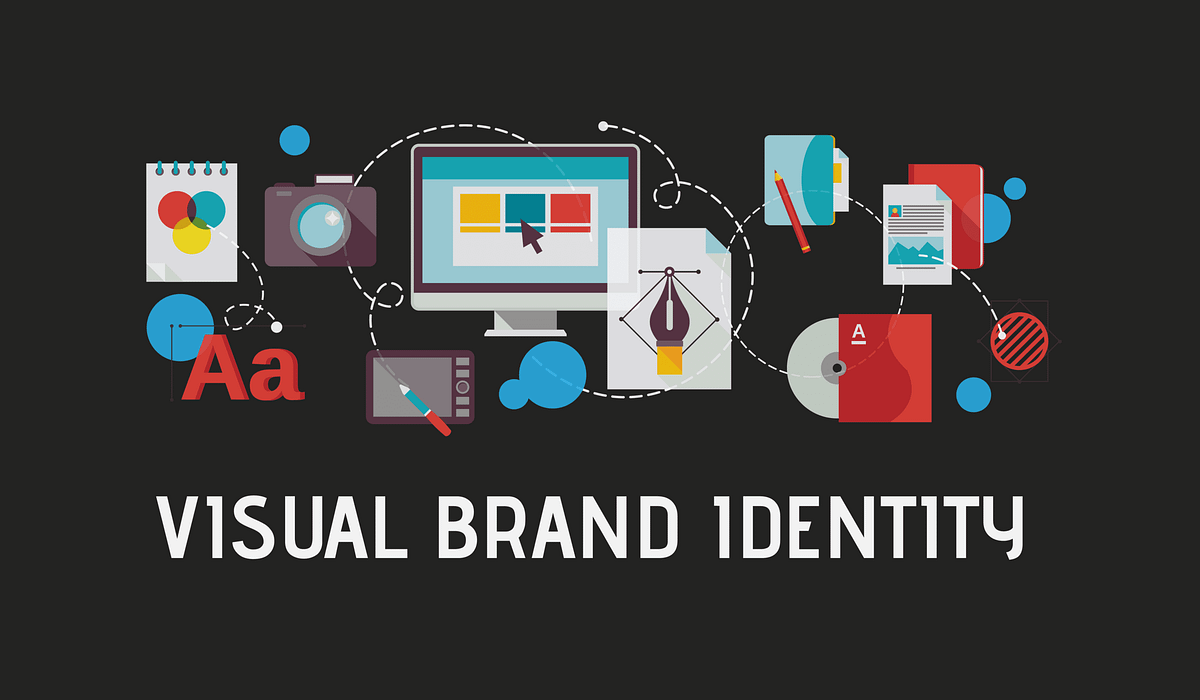
Visual branding refers to the visual elements that represent a business and communicate its identity to customers. These elements can include a logo, colors, typography, imagery, icons, graphics, layouts, photography, illustrations, and other design components.
Together, these elements form a company’s visual brand identity.
For example, when customers repeatedly see the same logo, color palette, typography, imagery style, and design approach across a company’s website and social media channels, they begin to associate those visual elements with the business.
This repeated exposure can contribute to stronger brand recognition.
However, visual branding is not simply about choosing attractive colors or creating an impressive logo. Effective visual branding connects design with the company’s personality, audience, values, products, and overall business objectives.
Why Visual Branding Is Important for Businesses
The importance of visual branding has increased as businesses have become more dependent on digital communication.
Customers may discover a company through Google, social media, online advertisements, email campaigns, marketplaces, or a website. Each interaction provides an opportunity to create an impression.
A consistent and professional visual identity can help businesses communicate more effectively across these different channels.
1. It Creates a Strong First Impression
First impressions matter.
When someone visits a company’s website or social media page, the visual presentation immediately contributes to how they perceive the business.
An outdated website, inconsistent graphics, poor-quality images, or unrelated design styles can make a company appear less established.
On the other hand, professional business branding can create a more organized and credible appearance.
Visual elements can communicate whether a company is modern, professional, innovative, approachable, premium, traditional, or technology-focused.
This makes professional branding particularly important for businesses that want to establish credibility with potential customers.
2. It Builds Brand Recognition
One of the most valuable benefits of effective visual branding is stronger recognition.
Think about how customers interact with a company over time. They may see a LinkedIn post today, visit the website next week, receive an email later, and eventually see an advertisement.
If each interaction uses completely different colors, fonts, imagery, and layouts, customers may not immediately recognize that all these communications belong to the same business.
Consistent design creates connections between these touchpoints.
This is where brand consistency becomes important.
When visual elements remain recognizable across different platforms, customers can more easily associate those elements with the company.
3. It Helps Differentiate a Business
Many industries are highly competitive.
Businesses may offer similar products, services, pricing, or solutions. In such situations, visual identity design can help a company establish a distinctive presence.
A well-developed visual identity can give a business its own recognizable style rather than making it look like every other company in the industry.
Differentiation doesn’t necessarily mean using complicated designs. Sometimes a simple and consistent visual system can be more effective than an overly complex one.
The goal is to create an identity that customers can recognize and associate with the business.
4. It Builds Customer Trust
Customers want to know that they are dealing with a reliable business.
While visual design alone cannot guarantee trust, a consistent and professional presentation can support the perception of credibility.
Consider a business whose website, social media pages, brochures, presentations, and digital advertisements all follow a similar design language.
This consistency can make the company appear more organized and established.
For B2B companies in particular, corporate branding can play an important role because business customers often evaluate credibility before starting a professional relationship.
A strong business visual identity can therefore support other trust-building activities such as customer service, content marketing, testimonials, and professional communication.
5. It Makes Communication More Consistent
Businesses communicate through many channels.
These may include:
- Websites
- Social media
- Email marketing
- Presentations
- Brochures
- Business profiles
- Digital advertisements
- Product materials
- Proposals
- Company documents
Without a defined visual system, every piece of communication may look different.
A strong visual communication strategy helps bring these materials together.
For example, using consistent typography, colors, imagery, layouts, and graphic elements can make communications feel like part of the same brand.
This is one of the biggest advantages of developing clear branding for businesses rather than designing each marketing asset independently.
6. It Supports Digital Marketing
Modern businesses are increasingly dependent on digital platforms.
Social media feeds move quickly. Websites compete for attention. Digital advertisements are viewed for only a few seconds. Customers often scan content rather than reading every word.
This makes visual presentation especially important.
A strong digital brand identity allows businesses to create recognizable content across digital platforms.
For example, a company can use a consistent visual system for LinkedIn graphics, Instagram posts, website banners, email newsletters, and online advertisements.
Over time, these repeated visual cues can contribute to greater familiarity with the brand.
7. It Creates a More Memorable Brand
Customers are exposed to a huge amount of information every day.
Businesses therefore need ways to become memorable.
A memorable brand identity can help customers associate a company with particular visual characteristics.
This doesn’t mean that every design needs to be dramatic or unusual. Instead, businesses should focus on creating recognizable and relevant visual elements.
A distinctive color combination, typography style, imagery approach, or graphic system can become part of the company’s identity.
When these elements are used consistently, they can strengthen the connection between the visual experience and the brand itself.
The Connection Between Visual Identity and Customer Experience
Visual branding is also connected to customer experience.
A customer’s interaction with a business rarely happens in one place.
Someone may first discover a company through social media, then visit its website, read a blog, download a brochure, and eventually contact the sales team.
Each interaction contributes to the overall customer experience.
If the visual presentation feels consistent across these touchpoints, the customer receives a more unified experience.
This is why consistent brand identity matters.
Brand consistency isn’t simply about making everything look identical. It means ensuring that the same core brand characteristics are recognizable across different formats and platforms.
Visual Branding Goes Beyond the Logo
A common mistake is to think that a logo represents the entire brand.
A logo is an important component of a visual identity, but it is only one part of the overall system.
Effective brand identity design may include:
- Logo design
- Brand colors
- Typography
- Photography style
- Illustrations
- Icons
- Social media templates
- Website design
- Marketing graphics
- Presentation templates
- Business stationery
- Advertising layouts
- Brand guidelines
These elements work together to create a complete visual brand identity.
When they are designed and used consistently, businesses can create a stronger and more professional presence.
Why Businesses Need Modern Branding Strategies
Customer expectations continue to change.
A brand that looked modern several years ago may now appear outdated. Digital platforms also introduce new formats and communication requirements.
This makes modern branding strategies increasingly relevant.
Businesses need visual identities that work across desktop websites, mobile devices, social media platforms, presentations, advertisements, and other digital environments.
A modern brand identity should therefore be flexible.
It should work in different sizes, formats, backgrounds, and communication channels while maintaining recognizable characteristics.
The Role of Social Media in Visual Branding
Social media has made visual branding even more visible.
Businesses publish content frequently, and every post contributes to their public identity.
If a company’s social media content constantly changes in design style, customers may struggle to recognize its posts.
Developing templates and visual guidelines can help maintain brand consistency.
For example, businesses can establish consistent:
- Post layouts
- Typography
- Color combinations
- Image treatments
- Icons
- Headline styles
- Call-to-action designs
This creates a recognizable content system without requiring every post to look exactly the same.
Visual Branding and B2B Businesses
Visual branding for businesses is especially relevant in the B2B environment.
B2B companies often sell complex products and services that require customers to evaluate technical information, capabilities, experience, reliability, and value.
A professional visual identity can help organize and present this information more effectively.
For technology companies, software providers, professional service firms, manufacturers, and solution providers, strong corporate branding can support communication throughout the customer journey.
From presentations and proposals to websites and social media, visual consistency can make complex business information easier to navigate.
Common Visual Branding Mistakes
Businesses don’t always need a complete rebrand. Sometimes the biggest improvement comes from correcting basic inconsistencies.
Some common mistakes include:
- Using Too Many Fonts
- Multiple fonts can make marketing materials look inconsistent and difficult to read.
- A defined typography system can create a more professional appearance.
- Frequently Changing Colors
- Constantly changing colors can weaken recognition.
- Businesses should establish a core color palette and use it consistently.
- Inconsistent Logo Usage
- Stretching, recoloring, or using different versions of a logo without guidelines can reduce consistency.
- Using Low-Quality Images
- Poor-quality images can negatively affect the overall appearance of marketing materials.
- Designing Without a Brand System
- Creating every graphic from scratch can result in inconsistent communication.
- Templates and brand guidelines can help maintain a unified identity.
- Focusing Only on Appearance
A design can look attractive while still failing to communicate the company’s message.
Effective visual communication should support the business’s positioning and customer needs.
How SeeSam Solutions Can Help
Building a professional digital presence requires more than individual marketing materials. Businesses need a consistent approach to how their brand is presented across different communication channels.
SeeSam Solutions can help businesses strengthen their digital and technology-focused presence by supporting professional business solutions and digital communication needs. For companies looking to establish a stronger online identity, visual branding can work alongside their website, digital content, and broader business communication strategy.
A business can have excellent products and services, but customers still need to understand what the company represents and why they should pay attention.
By combining a clear visual identity design with effective digital communication, businesses can create a more cohesive customer experience.
For companies working across B2B markets, technology, professional services, and other competitive sectors, a consistent visual presence can support credibility and recognition across multiple customer touchpoints.
The Future of Visual Branding
The importance of visual branding is likely to continue growing as businesses compete for attention across increasingly digital environments.
Customers will continue to encounter brands through websites, social media, mobile devices, digital advertisements, video content, AI-generated experiences, and other emerging platforms.
This means businesses need visual identities that are recognizable, adaptable, and consistent.
The future of branding is not necessarily about creating more complicated designs. Instead, businesses need to create visual systems that communicate clearly and work effectively across different platforms.
A strong visual brand identity can provide the foundation for that consistency.
Final Thoughts
In a competitive market, businesses need more than a good product or service. They also need a clear way to communicate who they are.
Visual branding helps businesses create that communication through design.
From logos and colors to typography, imagery, websites, social media, and marketing materials, every visual element can contribute to how customers perceive and remember a company.
The importance of visual branding goes beyond aesthetics. It can support brand recognition, strengthen consistency, improve communication, differentiate a business, and contribute to a professional customer experience.
Businesses that invest in a strong business visual identity can create a more unified presence across both digital and traditional channels.
Ultimately, effective branding is not about making a business look good simply for the sake of appearance. It is about creating a visual language that helps customers recognize, understand, and connect with the business. And as digital competition continues to grow, having a strong visual identity is becoming an increasingly important part of building a recognizable and professional business.